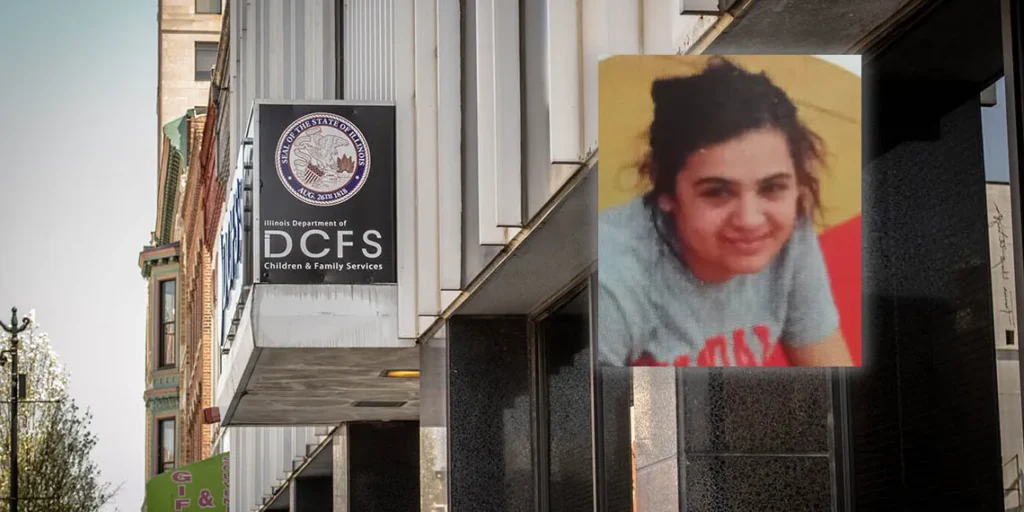

In C.G. v. City of New York, Slip Op 31708(U), the plaintiff filed a case under the Child Victims Act (CVA) of New York, claiming that during the early 1990s, she was subjected to repeated sexual abuse by her foster father and foster brother while living in a foster home on Staten Island. C.G. was allegedly abused for five years, beginning when she was just five years old, first by her foster father, Michael Karlick, and later by her foster brother, Deiter Gnyp. Later, she was taken in by Delores Gnyp, whose sealed adoption documents now prevent her from knowing the truth.
C.G., an adult survivor seeking justice, asked the court to unlock her adoption documents because she thought they would include essential information about the foster care abuse and sexual abuse and whether the City of New York or its affiliated agencies knew about it beforehand. The New York Foundling argued against unfettered access to limit exposure and asked for a protective order or in-camera review. The court eventually authorized an in-camera inspection or private judicial review of the records, but only after C.G. followed procedural obligations, such as informing her biological mother.
This case embodies everything Justice for Kids®, a division of Kelley Kronenberg, fights for: survivor-led justice, institutional accountability, and transparency. C.G.’s story is not unique. Too often, foster youth face abuse in systems designed to protect them and then encounter sealed records and bureaucratic resistance when they seek justice. This is not just about one case—systemic silence and the need for reform.
When Child Protection Becomes Institutional Concealment
Although the original goal of sealing foster and adoption records was to safeguard children, in cases of child abuse, this practice often shields offenders and careless organizations from investigation. It should not be necessary for survivors like C.G. to fight a secondary struggle to obtain documentation supporting their claims. Institutions should not receive help from legal transparency, while survivors are left with the burden of proof.
Adoption and foster care information are subject to strict secrecy laws in many states, including New York. Despite their good intentions, institutions routinely use these rules to prevent survivors from obtaining the evidence they need to seek justice. Organizations may assert that they protect the privacy of third parties. However, this makes it more difficult for survivors to learn whether foster care agencies, caseworkers, or supervisors did not notice warning signs or past allegations of child abuse. Because of this legal monitoring, institutions can avoid scrutiny, which hampers justice and accountability.
The C.G. case further highlights the absence of uniform notification protocols in sealed records cases. Even though the adoptive mother had passed away and the identity of the biological father had been sealed, the court had to postpone its ruling for the plaintiff to inform her biological mother. To obtain basic information about their own life, survivors often must track down and alert people from decades ago. This poses an immense emotional and legal burden, especially for those who are already dealing with the trauma of foster care abuse. Sealed records were originally intended to protect children’s privacy—but in child abuse cases, they often protect systems that fail. Survivors like C.G. must not only relive trauma but also fight for access to documents that could validate their experiences and expose institutional negligence.
The Larger Problem: Systemic Gaps and Legal Inconsistencies
Across the country, laws governing sealed records are inconsistent and often fail to prioritize the rights of survivors. Some states require court orders; others allow limited access, and very few adopt a trauma-informed standard. Survivors must often locate and notify biological or adoptive family members—even when those individuals are deceased, unknown, or potentially connected to the abuse. In C.G.’s case, the court acknowledged the importance of the records but still conditioned their review on procedural steps that many survivors find emotional and overwhelming. This raises the question: why should any survivor fight for access to their own truth?
What Stronger Laws Could Look Like
Stronger laws are needed to ensure that survivors of childhood sexual abuse can access sealed foster care and adoption records—especially when those records may hold key evidence of child abuse and institutional negligence. California’s Senate Bill 855 (2020) and Oregon’s ORS § 109.425 offer critical models. California’s law expanded access to civil claims against institutions that enabled child abuse and removed some procedural barriers for survivors accessing evidence. Oregon’s statute specifically allows adult adoptees to request their original birth certificates and adoption records without needing to show “good cause.” These changes recognize that survivors should not have to relive their trauma just to gain access to their own histories. A national model of law could establish presumptive access for adult survivors filing legal claims and eliminate notification requirements when involved parties are deceased, or the survivor is seeking redress for abuse.
How Justice for Kids Helps Abuse Survivors Access the Truth
At Justice for Kids, we stand firmly behind survivors like C.G. who seek justice not only against their abusers but also against the system that enabled their suffering. For victims of child abuse, institutional secrecy, and sealed records continue to be significant obstacles, as demonstrated by this case. The agencies in charge must be held accountable, not protected by red tape and hidden papers, when the very people tasked with protecting foster children hurt them.
We understand the importance of providing survivors with all the evidence they need to prove that childcare organizations were negligent, did not protect, or were intentionally indifferent. For this reason, while seeking civil justice, we support legislative and judicial reforms that ease, rather than hinder, survivors’ access to sealed documents, foster, and adoption records. Motions for in-camera inspections that strike a balance between privacy and transparency are something we support, and we think survivors should not have to overcome procedural obstacles just to see the records that show their assault.
Survivors Deserve Legal Access to Their Records
Survivors should never need a court order to access records concerning their own lives. We support legislation that would give survivors of child abuse the legal right to access sealed foster care and adoption records when filing civil or criminal claims. Denying access to these records might cause delays or even prevent justice from being served. In situations involving claims of child abuse, courts should use a uniform, trauma-informed norm when inspecting sealed records in camera. Judges must balance privacy rights and the survivor’s right to evidence, and institutions should not be allowed to reject disclosure. Furthermore, there must be changes to the sexual abuse statute of limitations to ensure victims have enough time to process trauma before seeking legal recourse. At the same time, their actions—or inaction—are being challenged.
Your Right to Justice Shouldn’t Be Sealed
If you or a loved one is facing a case involving childhood abuse in foster care or are being denied access to critical adoption or case records—like in C.G. v. City of New York—please contact Justice for Kids today at 754-888-KIDS (5437). Our team of experienced childhood sexual abuse lawyers and New York child abuse attorneys,
ready to advocate for your right to the truth. Together, we can ensure that sealed files silence no survivor and that the systems designed to protect children are held fully accountable. Access to justice should never depend on access to paperwork.

Justin Grosz, Esq.
Lead Partner, Justice for Kids
754-888-KIDS (5437)